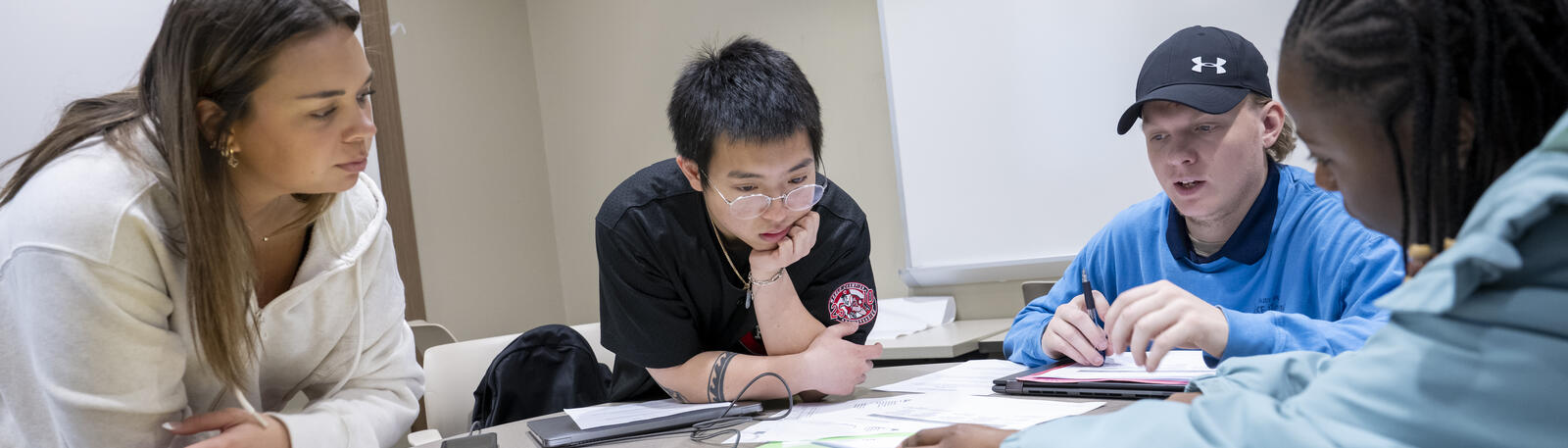
The Civics program prepares students for responsible participation in American public life. Drawing on the Western intellectual tradition, students examine the principles, traditions, and institutions that support our constitutional republic and sustain a free and healthy society. We aim for students to acquire the civic knowledge and character virtues essential to advancing the common good.
Mission Statement
The Civics program educates students for virtuous citizenship by:
- Examining the American experiment in ordered liberty by reestablishing the transcendent as a legitimate starting point for intellectual inquiry, while embedding freedom in natural law and the formative institutions, traditions, and customs of Western civilization.
- Affirming the value of intellectual diversity through serious engagement with the Anglo-American conservative tradition alongside other major currents of thought.
- Cultivating habits of civil discourse via charitable analysis, respectful debate, and the fearless pursuit of truth.
- Building unity from diversity by exploring how a pluralistic society can live together peacefully while advancing the common good.
Virtues We Cultivate
A flourishing civic life depends on more than information and skills. It requires habitual dispositions (or virtues) that shape how we think, judge, and relate to others. The Civics program seeks to cultivate four virtues in our students:
- Humility: Recognizing the limits of abstract theories, revising beliefs when warranted, and representing others’ views fairly. It includes the view that the perfect human society is not possible.
- Wisdom (or prudence): The ability to make sound, practical judgments in real situations, balancing principles with context, tradeoffs, and what is actually achievable.
- Courage: The strength to act on what wisdom tells us is right, even when facing pressure, criticism, or opposition.
- Civility: The discipline of engaging disagreement with respect and self-control so that deliberation and cooperation remain possible.