Strategy 2.1 Expand Student Access to Scholarships and Financial Support
Wright State launched the eighth cohort of Wright Leader Academy, continuing to invest in employee leadership development and collaboration across the university.
Enrollment Services, Financial Aid, and the Bursar’s Office created a 13-minute financial aid and billing video now shown in all first-year seminars. The video helps new students understand how to apply for and maintain aid eligibility, improving financial literacy and access from day one.
Strategy 2.2 Create a Meaningful First-Year Experience
The College of Science and Mathematics hosted its first annual celebration honoring students who completed their first year, bringing families, faculty, and advisors together to recognize achievement and strengthen connections.
The University Libraries helped design and teach the new first-year seminar curriculum, creating engaging “Information Skills” sessions for students across 21 course sections.
Weeks of Welcome drew record participation, with nearly 7,000 students engaging in events that built community and belonging during their first six weeks on campus.
Leadership development programs like the Established Leader Retreat and RaiderCamp gave new and returning students hands-on opportunities to build teamwork, confidence, and connection. Over 90% of RaiderCamp participants reported feeling more confident and ready to start at Wright State.
This fall, seven themed living-learning communities welcomed more than 200 students, linking residential life with first-year seminars. A new Scholar-in-Residence program further enriched campus life by connecting students with faculty for fireside chats, community projects, and shared learning experiences.
Strategy 2.3 Invest in Student, Faculty, and Staff Development and Well-being
Preparations are underway for the first Go Green Gala, a new signature fundraising event benefiting student-athlete wellness, scholarships, and mental health programs. Every student-athlete also completed a mental health screening this fall, reinforcing a culture of holistic support.
Dr. Jennifer Hughes and Barbara Marsh secured a $2.4 million federal grant to launch the Workforce Wellbeing Initiative, expanding clinical placements for behavioral health students in underserved communities while improving access to care for children and youth.
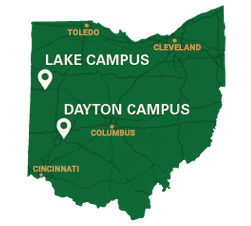
At Lake Campus, the Fall Forum brought faculty and staff together to celebrate achievements, align priorities with the 2030 plan, and renew shared commitment to student and employee well-being.
The annual Staff Development Day offered workshops for professional and personal growth, and Wright State Athletics continued its “Life as a Student-Athlete” series, supporting first-year athletes with lessons in time management, financial literacy, and wellness.
The Health and Wellness Task Force advanced implementation of its three-year strategic plan, strengthening prevention, early intervention, and support systems across campus.