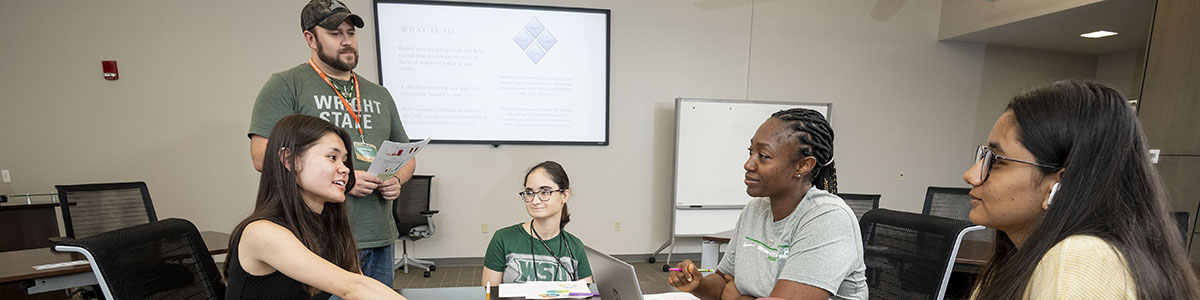
Get personalized academic support through the Academic Success Centers!
The Academic Success Centers consist of several services to enhance your opportunities for continued and sustained academic success by providing free in-person and online tutoring, writing support, academic coaching, and Supplemental Instruction (SI). Our goal is to empower you to become a more skilled, confident, and independent learner. Peer leaders of the Academic Success Centers are College Reading and Learning Association (CRLA) certified, and they are eager to help you excel in the classroom.
Math Learning Center
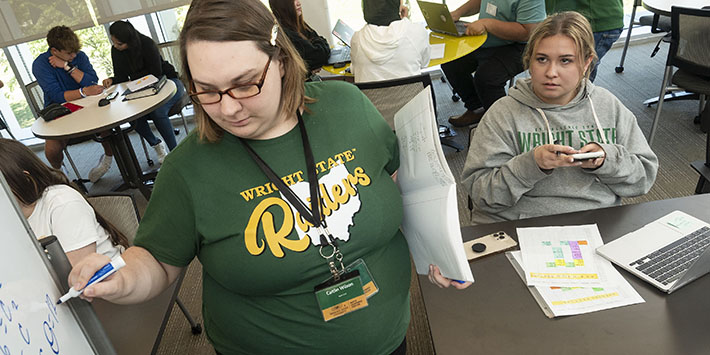
The Math Learning Center helps you become a more confident, autonomous, and proficient learner in math by providing a supportive environment in which you and all math students can work and learn.
Location: 122 Student Success Center
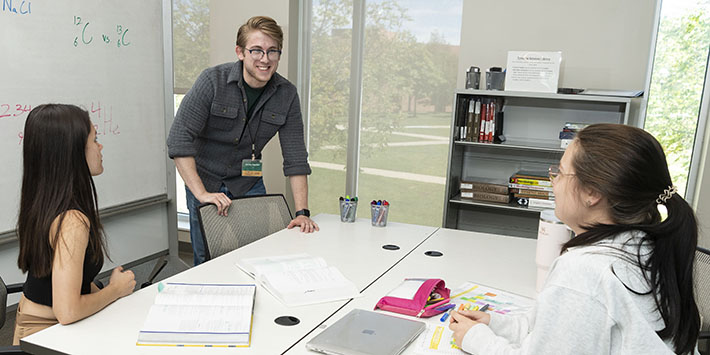
Supplemental Instruction
Supplemental Instruction helps you review course concepts, improve your study habits, and become better prepared for exams and course assignments.
Location: 122 Student Success Center
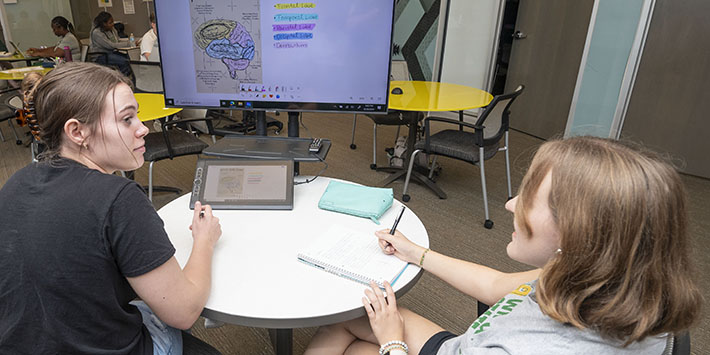
Tutoring Services
Tutoring Services helps you achieve your individual academic goals in all disciplines and become an independent and successful learner.
Location: 122 Student Success Center
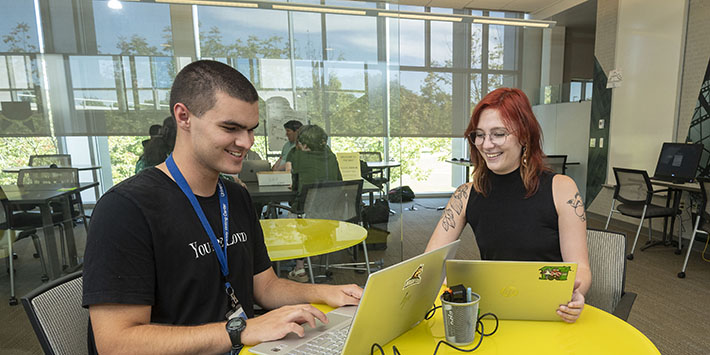
University Writing Center
University Writing Center helps you become a more skilled, confident, independent writer, enhancing your educational experiences at Wright State and your professional experiences beyond college.
Location:122 Student Success Center
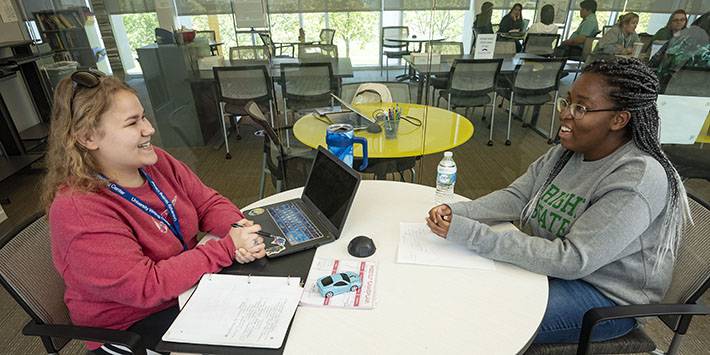
Peer Academic Coaching
Peer Academic Coaching helps you develop general study skills and attitudes that you can carry into your future academic and professional careers.
Location: 122 Student Success Center
Certifications
 The Academic Success Centers offer a tutor training program that meets the standards of the International Tutor Training Program Certification (ITTPC). Achieving certification means that the Academic Success Centers has met the College Reading and Learning Association (CRLA) standards for tutor selection, training, direct service and evaluation.
 Supervisors of the Supplemental Instruction (SI) program are certified by the International Center for Supplemental Instruction at the University of Missouri-Kansas City. This training addresses the procedures for selecting SI courses and SI Leaders, roles of supervisors and leaders, evaluation and funding of the program, training and supervision of SI Leaders, theoretical frameworks underlying the SI model, and effective learning strategies and SI session activities.